Roofing Solutions for Residential Complexes

Flat Roof Repair Denver

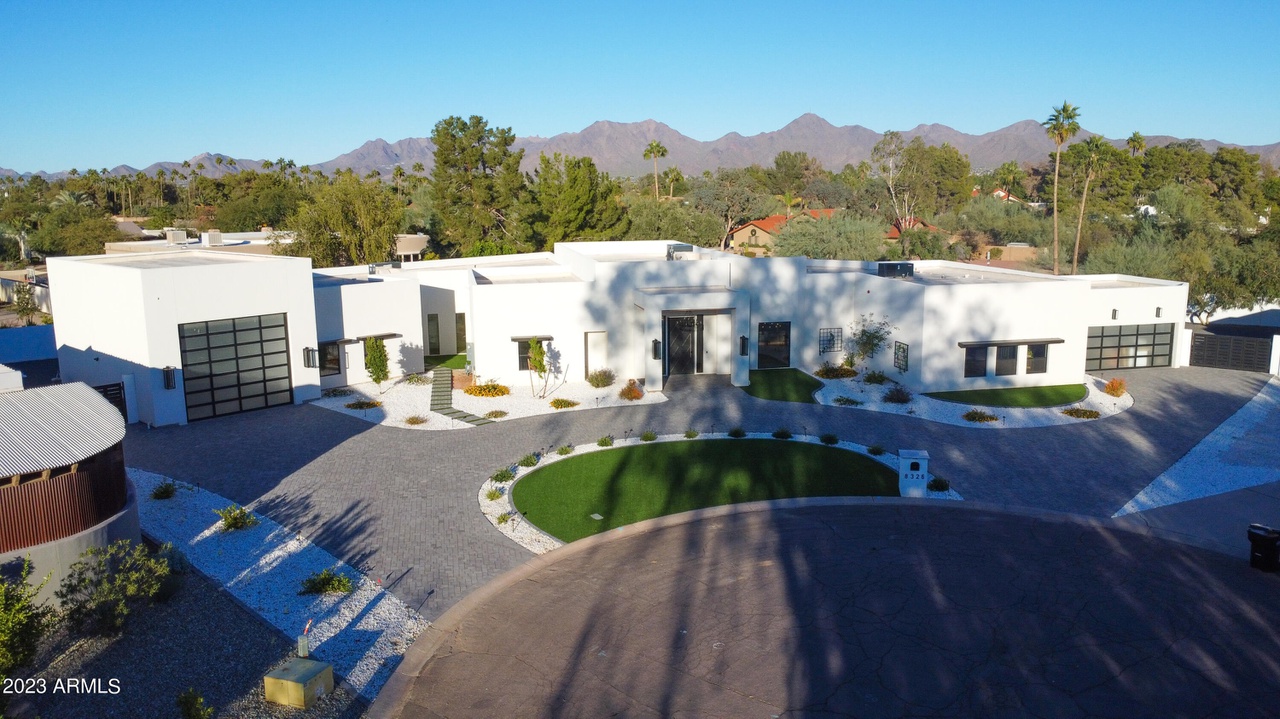
Flat roof systems are a popular choice for many buildings in the Denver area due to their affordability, versatility, and aesthetic appeal. Flat roofs have a minimal slope, unlike pitched roofs, making them ideal for commercial, industrial, and residential structures.

When it comes to flat roof systems in Denver, there are several key components to understand:

  1. Roof Deck: The roof deck is the base layer of the flat roof and provides structural support. It is typically made of wood, concrete, or metal.
  2. Insulation: Insulation is crucial for regulating temperature and preventing energy loss. It is installed on the roof deck to keep the building comfortable and reduce heating and cooling costs.
  3. Membrane: The membrane is the waterproof layer that protects the roof from moisture and prevents leaks. In Denver, common membrane materials include built-up roofs (BUR), modified bitumen, and single-ply membranes like EPDM or TPO.
  4. Flashing: Flashing is used to seal joints and transitions, such as where the roof meets walls, vents, or skylights. It ensures water does not penetrate the roof system.
  5. Drainage: Proper drainage is essential to prevent water from pooling on the roof. Flat roofs in Denver often incorporate drains, scuppers, or gutters to direct water away from the building.

Understanding these basic components is essential for maintaining and repairing flat roofs in Denver. By having a solid foundation of knowledge, you can effectively communicate with roofing professionals and make informed decisions regarding the maintenance and repair of your flat roof system.

Flat Roof Repair Compliance Measures

Regular maintenance is critical to ensure the durability and longevity of your flat roof in Denver. While flat roofs are known for their durability, they are not immune to wear and tear caused by the elements and other factors.

Regular maintenance helps to identify and address any issues or potential problems before they escalate into larger, more costly repairs. By staying proactive with maintenance, you can extend the lifespan of your flat roof and save yourself from expensive repairs in the long run.

Here are some of the reasons why regular maintenance is crucial for flat roofs:

  1. Preventing leaks: Regular inspections and maintenance can help identify and fix potential areas of water intrusion. This can prevent leaks and water damage inside your building.
  2. Protecting against weather damage: Denver's climate can be harsh, with extreme temperatures and frequent hailstorms. Regular maintenance ensures your flat roof is prepared to withstand these weather conditions.
  3. Prolonging roof life: With regular maintenance, you can address minor issues promptly, preventing them from worsening and extending the overall lifespan of your flat roof.
  4. Maintaining energy efficiency: A well-maintained flat roof can improve energy efficiency by preventing air leaks and ensuring proper insulation.
  5. Preserving structural integrity: Regular maintenance helps identify any structural issues that may compromise the integrity of your flat roof. You can prevent further damage and costly repairs by addressing these issues early on.

To properly maintain your flat roof, hiring a professional roofing contractor specializing in flat roof systems is recommended. They have the expertise and knowledge to perform thorough inspections, identify potential issues, and provide the necessary repairs or maintenance.

Remember, regular maintenance is an investment that can save you time, money, and headaches. By taking care of your flat roof with regular inspections and maintenance, you can ensure its longevity and protect your property from potential damage.

Commercial Roof Repair Colorado

Flat roofs are a popular choice for many properties in Denver due to their durability and cost-effectiveness. However, over time, they can develop issues that require immediate attention to prevent further damage. Here are some common signs that indicate you need flat roof repair:

  1. Water leaks: If you notice water stains or drips inside your property, it could be a sign of a roof leak. Addressing this issue promptly is crucial to protect your property from water damage.
  2. Ponding water: Flat roofs are prone to ponding water, significantly if the drainage system is compromised. Excessive water accumulation can accelerate roof deterioration and lead to leaks.
  3. Cracked or blistered membrane: The membrane is a crucial component of a flat roof system. If you spot cracks or blisters on the surface, it indicates damage that needs repair.
  4. Sagging roof: A flat roof should have a level surface. If you notice any sagging or uneven areas, it could indicate structural issues that require immediate attention.
  5. Visible damage: Inspect your roof for any visible signs of damage, such as loose or missing flashing, deteriorated sealant, or damaged roofing materials. These issues can compromise the integrity of your roof.
  6. Increased energy bills: A poorly maintained or damaged flat roof can lead to energy loss, resulting in higher energy bills. If you notice a sudden increase in energy costs, a roof inspection is worth considering.

It's important not to ignore these signs as they can worsen over time and result in costly repairs or roof replacement. If you notice any of these issues, it's recommended that you consult a professional flat roof repair specialist in Denver to assess the extent of the damage and provide appropriate solutions.
Commercial Roof Repair Colorado
Residential Flat Roof Solutions

Residential Flat Roof Solutions

Hiring a reputable roofing contractor can ensure a seamless, high-quality flat roof repair. These professionals have the knowledge, experience, and specialized tools to handle various flat roof issues. When selecting a roofing contractor, consider their reputation, certifications, and customer reviews.

  1. Expertise: Professional roofers possess the expertise needed to assess the problem with your flat roof accurately. They can identify the underlying causes, recommend suitable repair solutions, and precisely execute the repairs.
  2. Quality Materials: A reliable roofing contractor will use high-quality materials designed for flat roof repair. This ensures durability and long-lasting results, saving you from frequent repairs and maintenance.
  3. Efficient and Timely Repairs: Professionals understand the importance of timely repairs to prevent further damage to your flat roof. They have the manpower and equipment to complete the repairs efficiently, minimizing disruption to your daily routine.
  4. Warranty: Reputable roofing contractors usually offer warranties on their workmanship and materials, giving you peace of mind knowing that you're covered in any unexpected issues arising after the repair.

Denver Roofing Contractors

When it comes to flat roof repair in Denver, finding the right roofing contractor is crucial for a successful and long-lasting solution. Here are a few factors to consider when choosing a roofing contractor:

  1. Experience and Expertise: Look for a contractor with extensive experience in flat roof repairs. They should deeply understand the unique challenges that Denver's climate presents and the specific repair techniques needed for flat roofs.
  2. License and Insurance: Ensure your chosen roofing contractor is licensed, bonded, and insured. This will protect you from any liability in case of accidents or damages during the repair process.
  3. Local Reputation: Research the contractor's reputation in the local community. Read reviews, ask for references, and check their past flat roof repair project portfolios. A reputable contractor should have a record of satisfied customers and high-quality work.
  4. Knowledge of Materials and Techniques: Flat roofs require specialized materials and repair techniques. Make sure the contractor you choose has knowledge of these materials and techniques and can provide you with the best-suited options for your specific flat roof repair needs.
  5. Transparent Pricing: Request detailed quotes from different contractors and compare their pricing. While cost is essential, be cautious of excessively low pricing as it may indicate subpar materials or workmanship.
  6. Clear Communication: Effective communication is critical to a successful flat roof repair project. Choose a contractor who communicates, listens to your concerns, and provides regular updates throughout the repair process.
  7. Warranty: Inquire about the warranty they offer for their workmanship and the roofing materials used. A reputable contractor should stand behind their work and guarantee peace of mind.

By considering these factors and conducting thorough research, you can choose a reliable Denver roofing contractor who will deliver high-quality flat roof repair services. Remember, investing in the right contractor today can save you from costly repairs in the future.

Denver Roofing Contractors
Emergency Flat Roof Repairs

When it comes to flat roof repair in Denver, understanding the repair process can help homeowners and commercial property owners feel more informed and prepared. While the specifics may vary depending on the extent of the damage and the chosen roofing contractor, there are vital steps typically involved in the flat roof repair process.

1. Roof Inspection: The first step in any flat roof repair is a thorough inspection of the roof to assess the extent of the damage. This involves identifying areas of concern, such as cracks, leaks, or loose or damaged roofing materials.

2. Diagnosis and Assessment: Once the roof inspection is complete, the roofing contractor will diagnose the underlying issues and assess the repair work needed. This includes determining the specific repair techniques and materials required.

3. Preparation and Material Gathering: Before the repair work can begin, the necessary materials, tools, and equipment will be gathered. This ensures that the repair process can proceed smoothly and efficiently.

4. Repair Execution: The repair work will begin once the preparation is complete. This may involve various tasks such as patching or replacing damaged roof sections, sealing cracks and leaks, reinforcing weak areas, or applying protective coatings.

5. Quality Assurance: After the repairs have been carried out, a quality assurance check will be conducted to ensure that the repairs have been completed to the highest standards. This helps to prevent future issues and ensures the longevity and durability of the repaired flat roof.

6. Clean-up and Site Restoration: Finally, the roofing team will clean up the work area, removing any debris and ensuring that the site is clean and tidy. This includes removing old roofing materials and any waste generated during the repair process.

By understanding these critical steps in the repair process, property owners can better understand what to expect during a flat roof repair in Denver. It's essential to consult with a professional roofing contractor who can provide expert guidance and perform the repair work efficiently and effectively.

Flat Roof Repair Denver